
Allan Attia-Chemla

M.S. Student in Aeronautics & Astronautics at Stanford University | NASA NSTGRO Fellow

U.S. citizen and French citizen

Final-year M.S. student in Aeronautics and Astronautics at Stanford University, graduating in June 2026. NASA NSTGRO Fellow working on computational modeling of nuclear electric propulsion thruster design for Mars missions, with planned research at NASA’s Jet Propulsion Laboratory in Summer 2026. Undergraduate studies at CentraleSupélec, one of Europe’s leading science and engineering schools, where I was valedictorian of my class of 1,000. Hands-on experience in CAD design, hardware build and assembly, and qualification testing for a 3U CubeSat. Seeking a full-time propulsion engineering role starting Fall 2026.
Projects

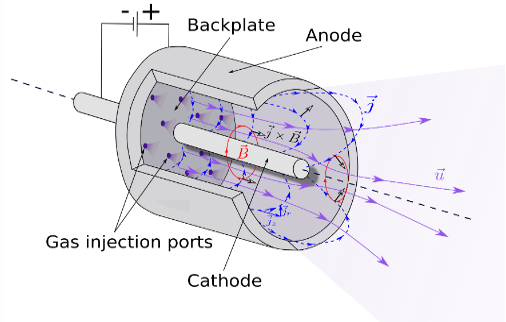
Computational Modeling of a Lithium Magnetoplasmadynamic Thruster for Nuclear Electric Propulsion preview
Computational Modeling of a Lithium Magnetoplasmadynamic Thruster for Nuclear Electric Propulsion

NASA Space Technology Graduate Research — Stanford University August 2025 – Present

Developed a stability-oriented modeling framework to advance high-power propulsion for long-duration missions to Mars by optimizing thruster design. Implemented and coupled a 0D linear stability model with a 1D two-fluid plasma solver to map stability across operating conditions.

Read More
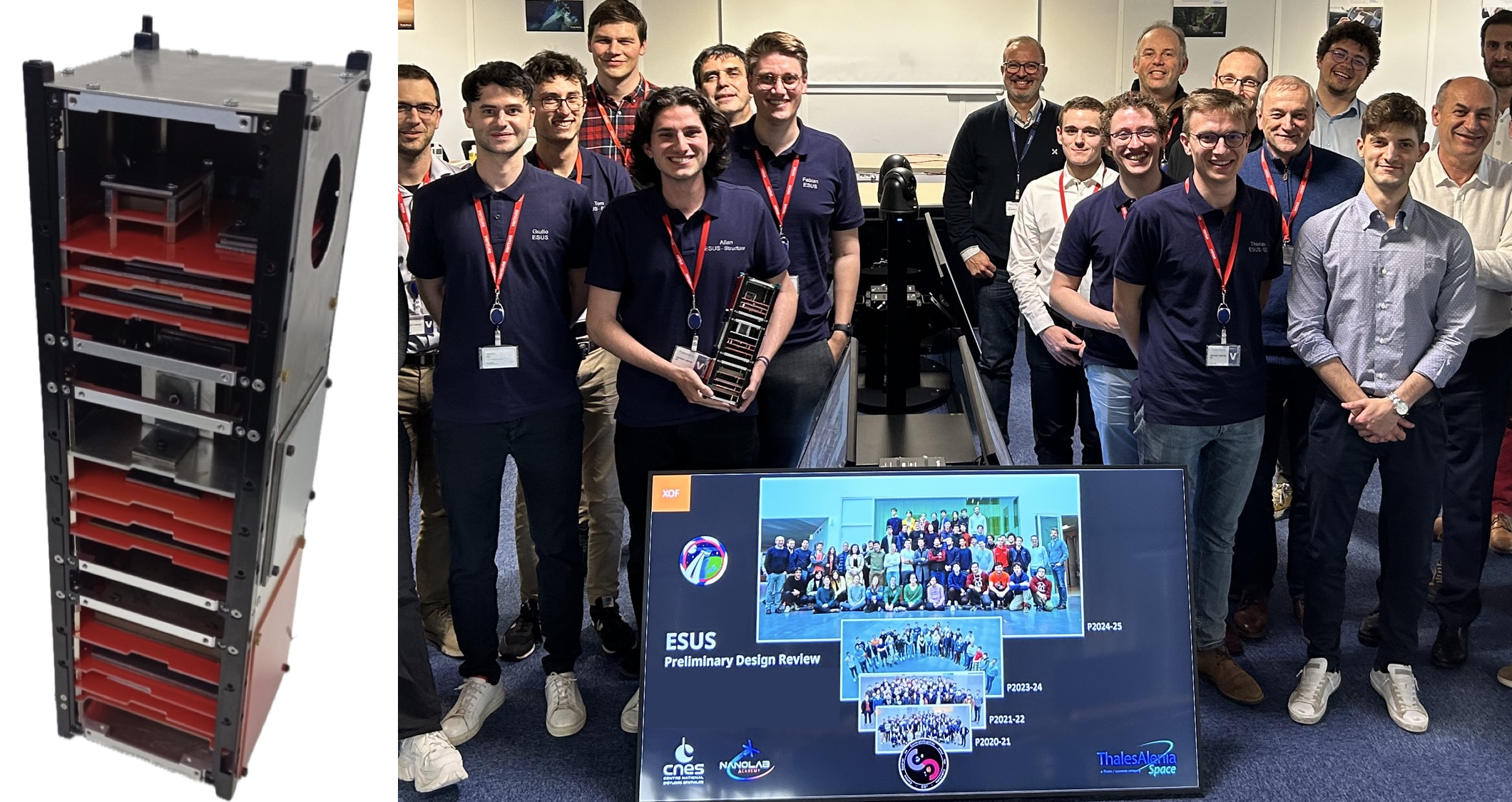
ESUS CubeSat — Mechanical Design, Integration, and Qualification Testing preview
ESUS CubeSat — Mechanical Design, Integration, and Qualification Testing

CentraleSupelec Space Center for CubeSats January 2023 – July 2024

CAD-designed and manufactured the flight-representative mechanical structure of a 3U CubeSat. Owned Phase B mechanical qualification, defined the test approach, and demonstrated compliance with deployment constraints and launch vibration loads.

Read More
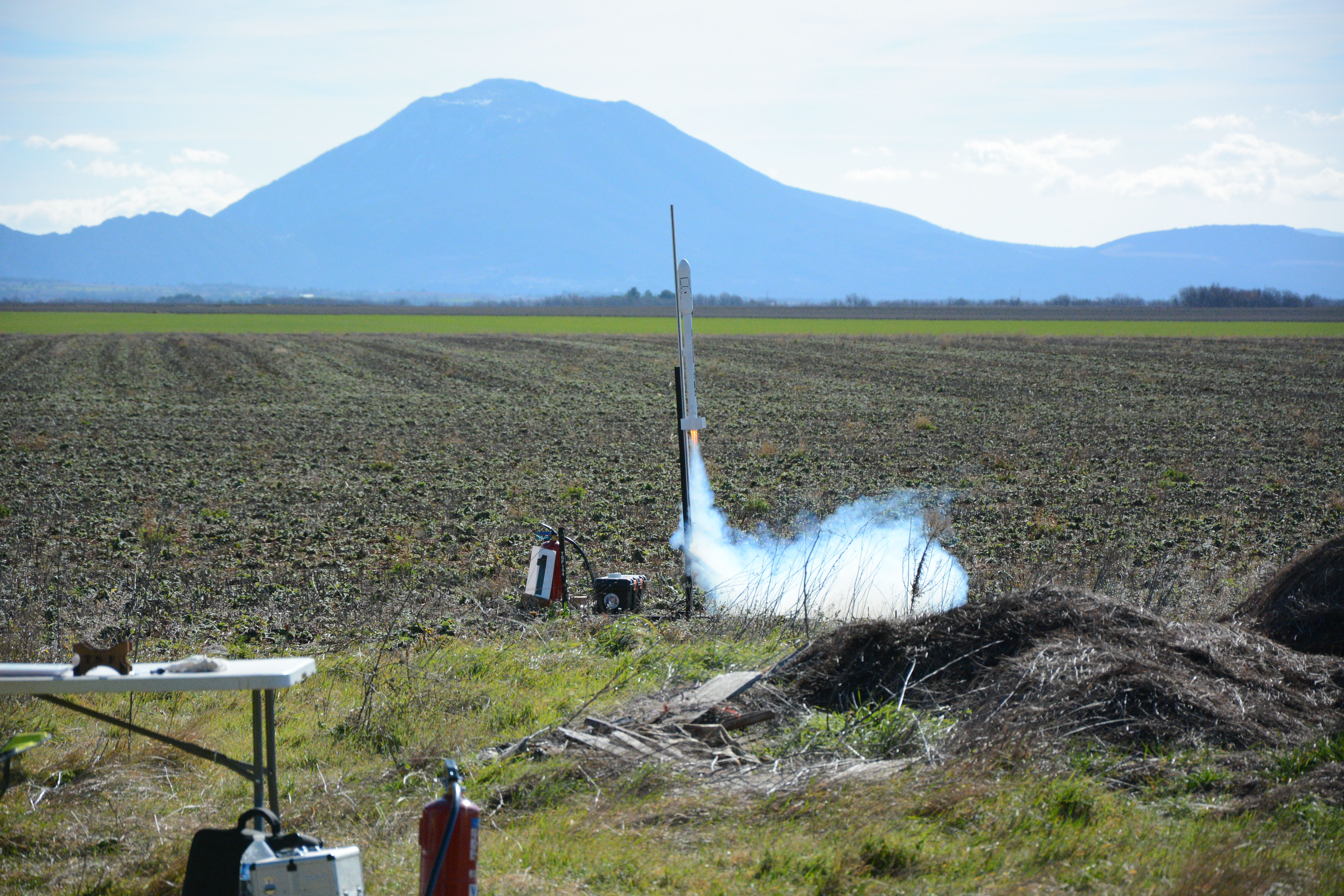
PEGGASUS — Rocket Design Project preview
PEGGASUS — Rocket Design Project

High School Rocket Club March 2020

Designed and built a one-meter rocket as part of a competition. Used simulations to meet apogee, flight-time, landing-speed, and payload-recovery requirements.

Read More